Audrey's Tea Rooms Guide
Your companion to the timeless tradition of British tea culture.
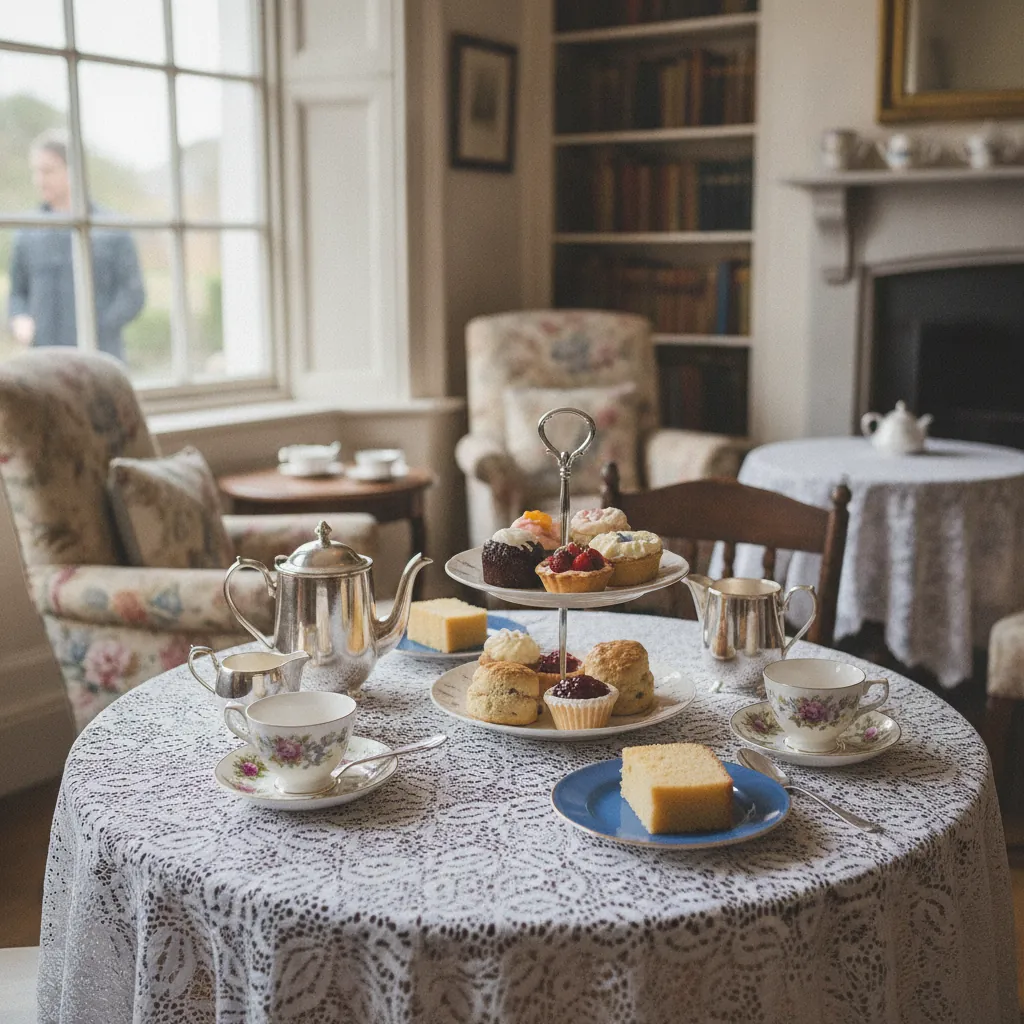
Welcome to the World of Tea Rooms
Tea rooms have been a cornerstone of British social life for over a century. From bustling market towns in Yorkshire to quiet villages in the Cotswolds, these establishments offer more than just refreshment. They provide a space where conversation flows as freely as the tea, where the pace slows, and where the simple pleasure of a well-made scone can brighten any afternoon.
This guide celebrates the enduring appeal of tea rooms across England, Scotland, Wales, and Northern Ireland. Whether you're planning your first visit or you're a seasoned enthusiast, you'll find practical information about what makes a tea room special, how to navigate the customs, and what to expect when you step through those welcoming doors.
The Art of Afternoon Tea
Afternoon tea is typically served between 3pm and 5pm, though many establishments offer it throughout the day. The traditional spread includes a three-tiered stand: finger sandwiches on the bottom, scones with clotted cream and jam in the middle, and delicate pastries or cakes on top. The convention is to work your way from the bottom up, from savoury to sweet.
Tea itself deserves careful consideration. Most tea rooms stock a range from classic English Breakfast and Earl Grey to lighter options like Darjeeling or herbal infusions. The pot should be pre-warmed, the water freshly boiled, and the brewing time respected. Milk is added after pouring, and sugar is offered but never assumed.
- Finger sandwiches: cucumber, egg mayonnaise, smoked salmon, or ham
- Scones: plain or fruit, served warm with jam first then cream
- Pastries: Victoria sponge, lemon tart, macarons, or fruit tarts
- Tea: loose leaf preferred, served in a pre-warmed pot
Tea Room Etiquette
While tea rooms are relaxed spaces, a few gentle customs enhance the experience. Reservations are advisable, especially on weekends or in popular locations. Dress code is usually smart casual—jeans are fine, but torn clothing or sportswear less so. Mobile phones should be on silent, as tea rooms prize their quiet atmosphere.
When it comes to the scone debate—jam first or cream first—there's no absolute rule, though Devon tradition favours cream first while Cornwall insists on jam first. Most importantly, hold your teacup by the handle, sip rather than slurp, and place your napkin on your lap. The little finger need not be raised; that's a common myth.
Regional Tea Room Traditions
Each corner of Britain brings its own character to tea rooms. In the Lake District, you might find Cumberland rum nicky or Grasmere gingerbread alongside your tea. Scottish tea rooms often feature shortbread, Dundee cake, or tablet. Welsh establishments may offer bara brith, a rich fruit loaf, while Northern Irish tea rooms proudly serve potato bread and wheaten bread.
Coastal towns from Brighton to Whitby have tea rooms with sea views, often serving crab sandwiches or locally smoked fish. In cathedral cities like York, Bath, or Canterbury, historic buildings house elegant tea rooms where you can take tea surrounded by Georgian architecture. Country villages offer cosy cottage tea rooms with home baking and garden seating in summer.
Setting Up a Tea Room Menu
A well-planned menu balances tradition with creativity. The foundation remains the classic afternoon tea, but variations keep things interesting. A cream tea—just scones, cream, jam, and tea—suits those wanting something lighter. A high tea, historically a working-class meal, is heartier with hot dishes like Welsh rarebit or a quiche.
Seasonal adjustments make sense. Summer brings strawberries and lighter cakes; winter calls for richer fruit cakes and warming spiced teas. Catering for dietary requirements has become standard, with gluten-free scones, dairy-free cream alternatives, and vegan sandwich fillings now widely available. Quality ingredients matter more than exotic additions—good butter, fresh eggs, and properly brewed tea form the backbone of any successful tea room.
A Brief History
The concept of afternoon tea was popularised in the 1840s by Anna, the Duchess of Bedford, who found herself peckish between lunch and the late Victorian dinner. She began inviting friends to join her for tea and light refreshments in the late afternoon, and the fashion spread throughout society.
By the Edwardian era, tea rooms had become respectable public spaces where women could meet unchaperoned, a significant social development. The tea shop movement grew rapidly in the early twentieth century, offering employment to women and becoming fixtures on every high street. While their numbers declined after the Second World War, a revival has seen traditional tea rooms flourish again in recent decades, cherished as spaces that preserve a slower, more gracious pace of life.
Practical Information for Visitors
Prices for afternoon tea typically range from £18 to £35 per person, depending on location and what's included. Champagne or prosecco afternoon tea costs more, usually £28 to £45. Cream tea is more modest, around £8 to £12. Most tea rooms operate Tuesday to Sunday, with Monday closures common, and many require at least 24 hours' notice for bookings.
Parking can be challenging in village locations, so arriving by train or bus is often easier. Many tea rooms are in listed buildings with steep stairs and no lift, so it's worth checking accessibility in advance if needed. Taking children is generally welcome, though some establishments prefer to keep a quieter atmosphere and may request that young families visit during less busy midweek slots. Most tea rooms are happy to box up anything you can't finish to take away.
Contact
- 12 Market Street, Alton, Hampshire, GU34 1HG
- 01256 847392
- [email protected]